


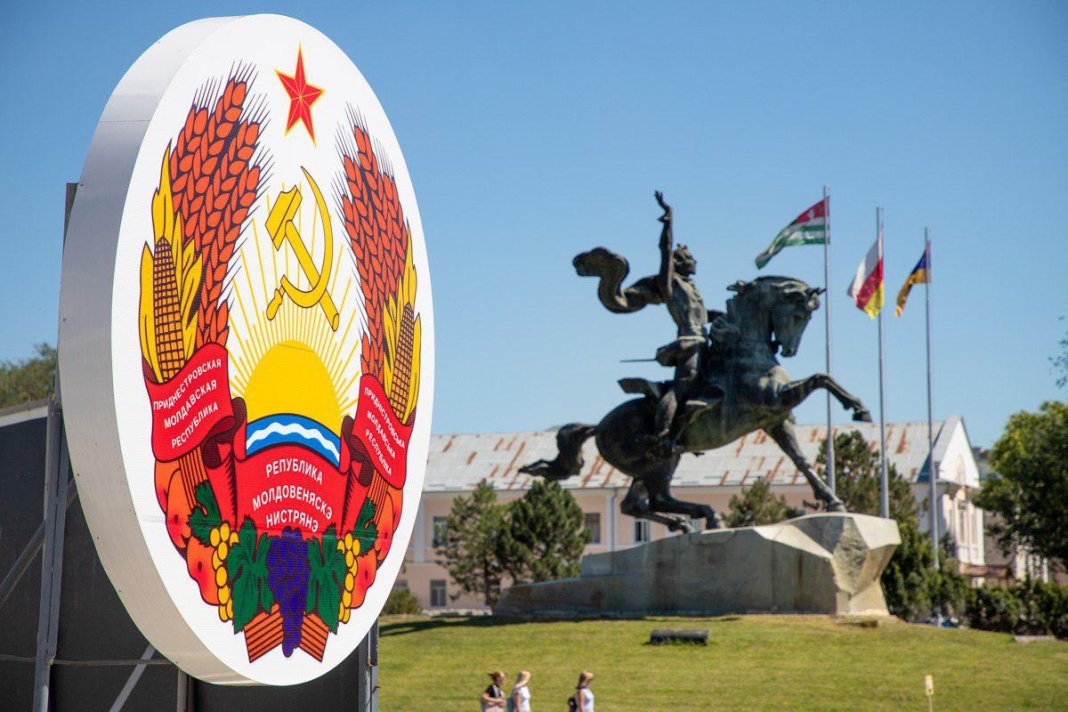

Geopolitical Context of Transnistria
Transnistria, a separatist region situated between Moldova and Ukraine, faces a complex and tense geopolitical environment. This self-proclaimed independent stretch of land is not officially recognized by any UN member state, including Russia, which is nevertheless its main supporter. Since the dissolution of the Soviet Union, Transnistria has remained a hot spot in the political-diplomatic landscape of Eastern Europe. The region was the scene of an armed conflict in 1992, which led to its current de facto independent status, but without international recognition.
Geopolitically, Transnistria is caught between the differing interests of Russia and those of the West, especially the European Union and the United States. Russia maintains a military presence in the region through its peacekeeping troops and a weapons depot in Cobasna, considered one of the largest in Europe. This military presence is perceived as a deterrent against any attempt to reintegrate the region into Moldova without Moscow’s consent.
Meanwhile, Transnistria is the subject of international discussions in the 5+2 negotiation format, which includes Moldova, Transnistria, Ukraine, Russia, OSCE, plus observers from the European Union and the United States. These talks aim to find a peaceful and lasting solution to the Transnistrian conflict, but progress is slow and often hampered by the lack of consensus among the involved parties.
The geopolitical context of Transnistria is further complicated by the situation in Ukraine. The proximity to this country, which faces its own territorial and political challenges, adds an additional dimension to the region’s complexity.
Impact of Economic Sanctions
Economic sanctions imposed on Transnistria have had a significant impact on the region’s fragile economy. These sanctions, enforced by the European Union and other international players, are meant to pressure the separatist regime into negotiations and to reduce its dependency on Russia. However, the effects have been particularly felt by the local population, who face increasing economic hardships.
The once vibrant Transnistrian industry has been heavily affected by trade restrictions. Exports, already limited due to lack of international recognition, have suffered a marked decline. Many local businesses dependent on external markets have scaled back operations or closed down entirely. This has led to rising unemployment and a decrease in the living standards of residents.
Additionally, sanctions have hampered access to foreign technologies and investments, crucial for infrastructure modernization and improving economic competitiveness. Without these resources, Transnistria lags behind its regional neighbors in terms of technological and economic development.
Inflation has also risen as a result of sanctions and economic instability. Prices for basic consumer goods have increased, while the purchasing power of the population has decreased. These conditions have intensified social discontent and have led to internal tensions as residents struggle with daily economic difficulties.
Russia’s Role in Supporting the Region
Russia plays a critical role in supporting the Transnistrian region, providing economic, military, and political assistance. Although it does not officially recognize Transnistria’s independence, Moscow has maintained a close relationship with authorities in Tiraspol, considering the region a strategic ally in Eastern Europe. This support is manifested through various forms of aid, including energy subsidies, humanitarian aid, and direct financial support.
A central aspect of Russian involvement is the provision of subsidized natural gas, allowing Transnistria to rely less on energy resources from other sources. This energy support is essential to keep the local economy and basic infrastructure functioning. Moreover, Russia has financed pensions and other social payments, thereby contributing to social stability in the region.
From a military perspective, the presence of Russian troops in Transnistria, in the form of a peacekeeping contingent, remains a deterrent against any attempts to change the status quo by force. This military presence is both a symbol of the security guarantee offered by Moscow and a political influence tool over the region and Moldova.
Russia also uses Transnistria as a pawn in its geopolitical games with the West, employing the region as a pressure point in international negotiations. By maintaining a strong presence in Transnistria, Moscow reinforces its position in Eastern Europe and asserts its influence over former Soviet republics.
However, excessive reliance on Russian support can also have negative consequences for Transnistria. Political shifts in Moscow and changes in international relations can impact the level and continuity of this support.
Economic and Social Prospects of the Inhabitants
The residents of Transnistria face an uncertain economic and social future marked by constant difficulties and challenges. The region’s economy, already weakened by sanctions and lack of international recognition, is stagnating, directly affecting the population’s living standards. Many residents depend on jobs in the public sector or in Russian-supported enterprises, but the wages are often low and insecure.
Migration is a solution some residents consider, especially young people seeking better opportunities outside the region. This migration trend contributes to demographic decline and gradual depopulation, which further exacerbates economic and social problems. Those who remain face a limited social support system and deficient infrastructure, making daily life difficult.
Despite these challenges, the local community tries to find ways to adapt and survive. Small business initiatives and subsistence agriculture are solutions some residents explore to supplement their incomes. However, without significant investments and openness to external markets, the long-term economic prospects remain bleak.
Socially, residents in Transnistria live in a society that feels isolated from the rest of the world, and political and economic uncertainty contributes to a general feeling of insecurity. Despite the support offered by Russia, many fear that a potential deterioration in international relations could lead to a reduction in this aid. In this context, the region’s and its residents’ future depends on external geopolitical and economic developments.
Sursa articol / foto: https://news.google.com/home?hl=ro&gl=RO&ceid=RO%3Aro